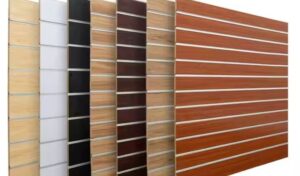
Medium-Density Fiberboard (MDF) is a go-to material in the woodworking and interior design world due to its smooth surface, affordability, and ease of customization. However, like any material, MDF panels have their vulnerabilities, especially when exposed to moisture, excessive weight, or poor handling. To ensure your MDF installations remain strong, beautiful, and durable for years, it’s crucial to understand the common issues associated with them—and how to prevent them.
In this blog, we’ll explore the key challenges of working with MDF and share essential tips to improve their lifespan and performance in residential and commercial applications.
-
Understand the Nature of MDF Panels
Before diving into prevention, it’s important to understand that panels are made by compressing wood fibers with resin under high pressure. While this creates a dense and smooth product, it also makes MDF more absorbent than natural wood and less resistant to heavy loads or harsh conditions.
Common Issues Include:
- Swelling from moisture
- Chipping or edge damage
- Warping due to improper installation
- Weakening from poor fastening techniques
Awareness is the first step to prevention.
-
Seal All Edges and Surfaces
One of the most common problems with panels is moisture absorption. MDF is particularly susceptible to swelling when exposed to water, especially at the edges, which are more porous than the face surfaces.
Prevention Tips:
- Always seal all edges with a high-quality primer or paint.
- Use waterproof sealants or edge banding for areas exposed to humidity, like kitchens & bathrooms.
- Apply a moisture-resistant coating even on the backside or hidden areas of the panel.
Proper sealing ensures that the MDF remains stable and intact over time.
-
Choose Moisture-Resistant MDF for Wet Areas
Not all panels are created equal. For spaces where humidity is a concern—like laundry rooms, bathrooms, or commercial kitchens—opt for moisture-resistant or MR-grade MDF.
Benefits:
- Improved structural integrity in humid conditions
- Lower chances of warping or mold growth
- Longer lifespan in moisture-prone environments
Spending a little more on MR-grade MDF can save you from costly repairs later.
-
Avoid Overloading Shelves and Panels
MDF is a strong material, but it can sag or bend under heavy weight, especially if used in unsupported shelving or furniture.
How to Prevent Overloading:
- Use additional support brackets under longer shelves.
- Avoid placing extremely heavy items on MDF-based furniture.
- Choose thicker panels (e.g., 18mm or more) for high-load applications.
Proper weight distribution is important to maintaining the structural integrity of panels.
-
Use the Right Fasteners and Joinery Techniques
Improper fastening is another leading cause of splitting or weakening in MDF. Unlike solid wood, MDF doesn’t hold screws well at the edges and is prone to crumbling.
Tips for Better Fastening:
- Pre-drill holes before inserting screws to reduce cracking.
- Use special MDF screws designed for high grip.
- Apply glue along with fasteners for additional bonding strength.
Correct joinery ensures the panel stays firm and secure in place.
-
Protect from Direct Sunlight and Heat
Excessive heat and UV exposure can degrade the quality of MDF, causing fading or warping over time.
Protection Measures:
- Avoid placing MDF furniture near windows with intense sunlight.
- Use UV-protective coatings or laminates on exposed surfaces.
- Keep MDF away from heat-emitting appliances or heating vents.
Shielding panels from harsh elements significantly extends their lifespan.
-
Maintain a Clean, Dry Environment
Dust, spills, and moisture build-up can slowly damage panels if not dealt with promptly.
Maintenance Best Practices:
- Clean spills instantly with a dry or slightly damp cloth.
- Use coasters and mats on MDF surfaces to prevent stains.
- Periodically inspect sealed edges and reseal if necessary.
Regular upkeep helps maintain both function and appearance.
-
Ensure Proper Installation and Storage
The way panels are stored and installed also affects their longevity. Poor handling during transport or installation can cause chips, dents, or bending.
Handling Tips:
- Store panels flat on a level surface in a dry area.
- Avoid dragging panels across rough floors.
- Install using level tools and measurements to prevent strain on joints.
Professional installation and careful storage are often overlooked but essential parts of panel durability.
In Conclusion
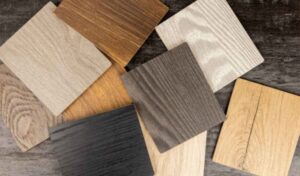
While panels offer a sleek and economical alternative to solid wood, they require thoughtful care and preventive measures to perform at their best. From sealing and fastening to choosing the right grade and maintaining clean conditions, each step plays a role in extending the life of your MDF applications.
For premium-quality MDF products, professional craftsmanship, and expert carpentry services, Pleasant Carpentry in Dubai is your trusted partner for long-lasting and beautifully finished MDF solutions.